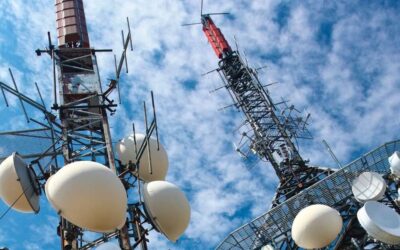

Improving the coverage of an existing TV station is a goal shared by many broadcasters, especially as viewers expect consistently clear reception across wider regions. Whether you operate a small local station or a mid-sized regional broadcast facility, strengthening coverage can significantly support audience growth and overall station performance. Coverage issues often stem from outdated equipment, environmental factors, or shifts in community development that alter signal paths over time. Understanding how to address these challenges effectively helps ensure that your station remains competitive, compliant, and dependable for your audience.
Broadcast coverage isn’t just about power or tower height; it’s a careful balance of engineering, regulatory standards, and strategic planning. With support from RF Consultants in Woodbridge, VA, many station owners discover that small adjustments can go a long way toward improving signal strength, reducing dead zones, and helping their station reach more viewers. The key is knowing which improvements truly make a difference and how to approach them with confidence.
The following sections outline practical, field-tested ways to improve your station’s coverage, giving you a clear understanding of potential solutions and how they work. These approaches help broadcasters gain better reliability, stronger reach, and long-term stability in an ever-changing media environment.
Adjusting Antenna Height and Position
One of the most effective ways to address coverage gaps is by reviewing your antenna’s height and position. Even minor modifications can help your signal clear obstacles such as buildings, tree lines, or terrain variations. Engineers often begin by modeling your current coverage footprint to pinpoint areas where height adjustments may create a noticeable improvement. Antenna orientation can also influence signal directionality, helping you target underserved geographic regions more effectively.
Evaluating Transmitter Power and Equipment Condition
Transmitter performance plays a major role in consistent broadcast coverage. Aging equipment may suffer from reduced efficiency or intermittent output issues. Regular inspections and preventive maintenance ensure your equipment delivers stable power at all times. In some cases, upgrading to a more efficient transmitter can provide improved reliability and cleaner signal output without exceeding FCC limitations.
Conducting a Professional RF Study
A detailed RF study helps diagnose coverage problems with precision. These studies examine terrain, population density, interference patterns, and competing signals in nearby markets. An RF engineer can simulate predicted improvements based on proposed adjustments, allowing you to make informed decisions before investing in physical upgrades. This step is especially helpful for stations operating in rapidly growing regions where new construction may affect signal propagation.
Improving Feedline and Transmission Path Components
Your station’s feedline system carries the signal from the transmitter to the antenna. Losses in this line can significantly reduce the radiated signal strength. Replacing aging feedline components, inspecting connectors, and ensuring proper weatherproofing all contribute to improved performance. Even high-quality systems degrade over time due to heat, moisture, and environmental exposure.
Mitigating Interference Issues
Interference may come from nearby broadcast facilities, industrial equipment, or even consumer electronics. Identifying and correcting interference sources often requires specialized diagnostic tools. Once detected, mitigation strategies may include filtering, antenna adjustments, or coordination with nearby broadcasters. Reducing interference not only improves coverage but also protects your station’s long-term broadcast quality.
Evaluating Antenna Type and Pattern
Your antenna’s radiation pattern determines how effectively your signal spreads across your service area. Some stations discover that shifting from a directional antenna to a more omnidirectional pattern, or vice versa, better aligns with their outreach goals. Antenna technology has advanced significantly, offering new designs that allow for more consistent distribution of signal power across challenging terrain.
Improving coverage for an existing TV station requires thoughtful planning, reliable engineering support, and a willingness to assess every component of your broadcast chain. From antenna adjustments to feedline upgrades and professional RF studies, each step contributes to greater clarity, more consistent reach, and a stronger presence in your market. Many broadcasters find that the right combination of small upgrades and expert guidance yields long-lasting improvements that support both audience growth and operational stability. If you’re ready to strengthen your coverage, working with seasoned professionals who understand modern broadcast challenges can make the process far more efficient. For dependable support, RF Consultants in Woodbridge, VA offer proven insight and technical experience to help you reach your goals. Connect with Smith & Fisher for expert guidance and a tailored plan that supports your station’s long-term success.