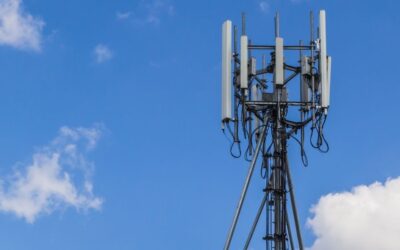

Ever wonder how a new FM station can appear in a crowded dial without stepping on existing broadcasts? It starts with a careful “drop-in” FM station study, an engineering process used to test whether a proposed frequency and transmitter site can legally and technically fit into the current FM landscape. While the goal sounds simple (“find an open channel”), the method is disciplined: engineers evaluate terrain, predict signal strength, apply spacing and interference protections, and confirm that listeners in the target community receive reliable service.
A drop-in study is part science, part regulatory craftsmanship. It considers how FM signals actually behave across hills, buildings, and varying ground elevations, not just how they look on a map. It also accounts for the realities of shared spectrum: adjacent stations, co-channel stations, translators, and the protections that keep everyone on the air.
For community groups, broadcasters, and entrepreneurs, this work can feel mysterious, especially if you’re talking to radio frequency consultants in Woodbridge, VA or elsewhere and you’re trying to understand what you’re paying for. The good news: the steps are understandable, and the logic is consistent. Here’s how engineers do it, from first scan to FCC-ready findings.
1) Define the Service Goal and Technical Starting Point
Engineers begin by clarifying what “success” means: Which community must be covered? Is the objective a full-power FM allotment, a new LPFM, or an FM translator? Each service has different technical limits and protection requirements. Next comes the starting point: a candidate transmitter site (or several), an estimated antenna height above average terrain (HAAT), and a likely effective radiated power (ERP) range.
This phase shapes everything that follows. A taller tower may improve reach but can also increase interference risk. A site closer to the community center may reduce required power, potentially making channel options easier. Engineers often build multiple “what-if” scenarios early so the study doesn’t end with a single dead end.
2) Build the Station Inventory (Who You Must Protect)
A drop-in study depends on an accurate list of existing FM facilities that could be affected. Engineers pull data for full-power stations, FM translators, and relevant reserved/non-reserved allocations in and around the region. It’s not just nearby stations that matter; signals can travel surprisingly far, and protections can extend well beyond what casual listeners expect.
Engineers also pay attention to “adjacent” channels: stations 200 kHz away (first-adjacent), 400 kHz away (second-adjacent), and so on. Even if two stations aren’t on the same frequency, the rules may still require protection to prevent receiver overload and interference in real-world radios.
3) Identify Candidate Channels (The “Drop-In” List)
With the inventory in hand, engineers test frequencies across the FM band to see which ones might fit at the proposed site. This is where “drop-in” gets its name: you’re effectively trying to “drop” a new facility into existing spectrum.
For each candidate channel, engineers perform initial screening checks—often using spacing requirements first because they’re efficient. If a channel fails basic minimum-distance separations to protected stations, it’s likely not viable (or it may require a different site, lower facilities, directional antenna patterns, or a different class of service). Channels that pass screening move forward to deeper analysis.
4) Run Terrain-Based Coverage Predictions (What Listeners Receive)
Next comes signal prediction. FM coverage is commonly described using contour maps—boundaries where the signal strength is expected to meet specific levels under standard conditions. Engineers calculate these contours using recognized propagation methods that incorporate terrain elevation data.
This step answers practical questions:
- Will the proposed station deliver a strong, consistent signal in the community of license?
- Do nearby ridges block coverage in key neighborhoods?
- Does the signal overshoot into areas where it could cause interference issues?
Engineers also compare predicted coverage to the service requirements for the station type. The point isn’t maximum reach at any cost; it’s dependable service where it’s needed while meeting required protections.
5) Evaluate Interference and Protections (The Make-or-Break Tests)
A channel that “looks open” can still be unusable after interference analysis. Engineers evaluate potential interference in two directions:
- Interference the new station might cause to other protected stations.
- Interference the new station might receive from existing stations that could make the signal unreliable.
Depending on the service type and situation, this may involve contour overlap studies, undesired-to-desired (U/D) signal ratios, and other FCC-recognized criteria. Engineers also consider real-world factors that affect receivers, especially in urban areas where strong nearby signals can desensitize radios.
When interference risk appears, solutions can include lowering ERP, adjusting HAAT, changing the antenna pattern to directional, relocating the transmitter, or selecting another channel. Engineers typically document these tradeoffs so decision-makers understand what is possible and what sacrifices come with each path.
6) Document the Results for Planning and Filing
The final phase turns engineering into usable decisions. Engineers summarize viable channels (and the non-viable ones), list assumptions, present predicted contours, and explain protection compliance. If the project is moving toward filing, the study’s outputs are organized to support FCC forms, exhibits, and any required showings.
Good documentation is plainspoken but precise. It clarifies why a frequency works, what exact facilities are proposed, and what constraints must be followed during construction and licensing. It also helps stakeholders avoid expensive surprises later, like discovering that a “good” channel only works if the antenna is mounted 20 feet lower, or if a directional pattern is required.
Drop-in FM station studies are how engineers turn a crowded dial into a practical opportunity. By setting clear service goals, compiling a complete station inventory, screening candidate channels, modeling terrain-based coverage, verifying interference protections, and documenting results for filing, engineers can identify channels that are both technically sound and regulator-ready. The process is careful because the stakes are real: listeners expect clean audio, existing broadcasters deserve protection, and applicants need confidence before investing in equipment and filings. If you’re weighing options with radio frequency consultants in Woodbridge, VA, a thorough study can save time and prevent false starts by showing what works and why. When you’re ready to explore realistic channel opportunities and next-step planning, Smith & Fisher can help; reach out to discuss your target community, site options, and a study package that fits your goals.